
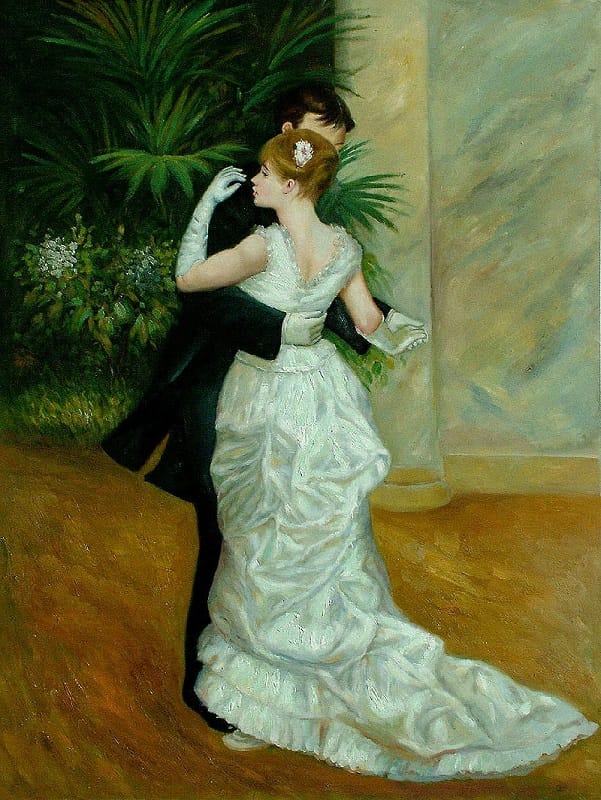
Ballroom dancing is a whole world of refined movement, harmonious partnership and rich cultural traditions. Its defining feature is dancing in couples, where both partners create a single image and convey the character of the music through movement, rhythm and interaction. Historically, ballroom dances were performed in grand halls with parquet floors, but today they can be seen on big stages and at competitions as well as at social evenings and club gatherings.
In the early 20th century ballroom dancing was standardised, which laid the foundation for international competitions. Over time two main directions took shape: the competitive one, with strict technical requirements, a competition system and set programmes, and the social one, which is freer and focused on the joy of dancing and being together. The competitive side includes two official programmes. The Standard programme brings together the slow waltz, Viennese waltz, tango, slow foxtrot and quickstep — dances valued for smoothness, elegance and flawless leading technique. The Latin American programme is full of temperament and rhythmic variety: samba, cha-cha-cha, rumba, paso doble and jive create an atmosphere of celebration, energy and emotional openness.
Ballroom dancing develops a sense of partnership, musicality, coordination and artistry. It suits both those who dream of performing and competing and those who simply want to move beautifully, meet people and enjoy dancing.


